Monday, 9 December 2024

DIET FOR DERMATITIS


DIET FOR DERMATITIS (ECZEMA DIET)

Dermatitis is influenced by inflammation, allergies, gut health, and immune responses.

A proper diet can reduce flare-ups improve skin barrier, and decrease inflammation.

1. Anti-Inflammatory Foods (Highly Recommended)

a) Omega-3 rich foods

Reduce inflammation and dryness.

·         Fatty fish (salmon, sardines, mackerel)

·         Flaxseeds

·         Chia seeds

·         Walnuts

b) Fruits & vegetables rich in antioxidants

Repair skin cells and reduce allergy actions.

·         Berries, oranges, apples

·         Leafy greens (spinach, kale)

·         Carrots, sweet potatoes

·         Tomatoes

c) Probiotic-rich foods

Improves gut microbiome → reduces skin inflammation.

·         Curd/Yogurt

·         Kefir

·         Fermented foods (idli, dosa, kimchi, sauerkraut)

d) Prebiotic foods

Feed good bacteria.

·         Bananas

·         Garlic, onions

·         Whole grains

·         Asparagus

2. Foods That Strengthen Skin Barrier

a) Vitamin E foods

·         Almonds

·         Seeds

·         Avocado

·         Olive oil


Promotes skin healing.

·         Carrots

·         Pumpkin

·         Spinach

·         Eggs

c) Zinc-rich foods

Helps repair damaged skin.

·         Pumpkin seeds

·         Chickpeas

·         Cashews

·         Whole grains

3. Hydration for Dermatitis

·         2–3 litres of water/day

·         Coconut water

·         Herbal teas (chamomile, turmeric, ginger)

·         Reduce tea/coffee excess


Wednesday, 6 November 2024


Best Diet for Colon Cancer

1. Goals of Diet

·         Reduce inflammation

·         Improve digestion

·         Maintain healthy weight & immunity

·         Prevent tumor progression

·         Support recovery during chemo/radiation

Foods to Eat More

1. High-Fiber Foods

(Fiber protects the colon and reduces recurrence risk — but if the patient has diarrhea or bowel

 obstruction, use low fiber temporarily.)

·         Whole grains: oats, brown rice, quinoa

·         Fruits: apples, pears, papaya, berries

·         Vegetables: carrots, spinach, pumpkin, broccoli

·         Legumes: lentils, beans (if gas occurs, reduce temporarily


  2. Antioxidant-Rich Foods

·         Berries (blueberry, strawberry, jamun)

·         Green leafy vegetables

·         Tomatoes (lycopene)

·         Citrus fruits

·         Turmeric (curcumin helps reduce inflammation)

3. Protein-Rich Foods

Essential for healing after surgery and during treatment.

·         Eggs

·         Chicken/fish (steamed/grilled)

·         Paneer, tofu

·         Moong dal, masoor dal

·         Greek yogurt/curd

4. Healthy Fats

·         Olive oil

·         Flaxseeds

·         Chia seeds

·         Walnuts

·         Avocado

5. Probiotics (Gut Protection)


·         Curd / yogurt

·         Buttermilk

·         Kefir

·         Fermented foods in small amounts (idli, dhokla)

6. Fluids & Hydration

·         Coconut water

·         Lemon water

·         Vegetable soups

·         Herbal teas

·          Plain water (6–8 glasses)

 Foods to Avoid

These can irritate the colon or promote inflammation.

1. Red & Processed Meat

·         Beef, pork, mutton

·         Sausages, bacon, salami (strongly linked to colon cancer risk)

2. Fried & High-Fat Foods

·         Poori, parota, fried chicken

·         Pakoda, chips

3. Highly Processed Foods

·         Fast food

·         Sugary drinks

·         Cakes, pastries

·         Packaged snacks

4. Alcohol & Smoking

5. Excess Salt & Sugar

6. If patient has diarrhea – limit


Tuesday, 15 October 2024

Food Hazards


FOOD HAZARDS

Food hazards are any biological, chemical, or physical agents in food that can cause illness, injury,

 or harm to consumers. Understanding food hazards is essential for food safety, food processing,

catering, and quality control.

Food hazards are generally classified into three main types.

1. Biological hazards

2. Chemical hazards

3. Physical hazards

1. Biological Hazards

Biological hazards are the most common and include microorganisms that contaminate food and cause

food-borne diseases.

Types of biological hazards

a) Bacteria

Pathogenic bacteria cause infections or intoxications.

Examples: Salmonella, E. coli, Staphylococcus aureus, Listeria monocytogenes, Clostridium botulinum.*

b) Viruses

Transmitted  through contaminated food or water.

Examples: Hepatitis A virus, Norovirus, Rotavirus.

c) Parasites

Live in or on a host.

Examples: Giardia, Toxoplasma, Taenia (tapeworm), Trichinella.

d) Fungi

Yeasts and molds can cause spoilage and produce mycotoxins.

Examples: Aspergillus flavus(produces aflatoxin), Penicilliumspecies.

Causes of biological hazards

·         Improper cooking

·         Poor personal hygiene

·         Contaminated water

·         Cross-contamination

·         Incorrect storage temperature (danger zone 5°C–60°C)

Effects on health


·         Food poisoning

·         Gastroenteritis

·         Vomiting, diarrhoea

·         Fever

·         Severe cases: kidney failure, paralysis, death (botulism

2. Chemical Hazards

Chemical hazards are harmful substances that can contaminate food during production, processing, or

storage.

Types of chemical hazards

a) Natural toxins

·         Aflatoxins from molds

·         Cyanogenic glycosides in cassava, almonds

·         Marine biotoxins (shellfish poisoning)

b) Environmental contaminants

·         Pesticide residues

·         Heavy metals (lead, mercury, arsenic)

·         Industrial pollutants

c) Food additives (in excess or misuse)

·         Preservatives

·         Artificial colours

·         Flavour enhancers (MSG)

d) Cleaning agents or sanitizers

·         Detergent residues

·         Chlorine

·         Disinfectants

3. Physical Hazards

Physical hazards are foreign objects in food that can cause injury.

Common physical hazards**

·         Glass pieces

·         Metal fragments

·         Stones

·         Bones

·         Plastic pieces

·         Hair

·         Jewelery

·         Insects


·         Wood splinters

Effects on health

·         Choking

·         Cuts and injuries in mouth or throat

·         Dental damage

·         Internal injury


Wednesday, 25 September 2024

National Nutrition Month

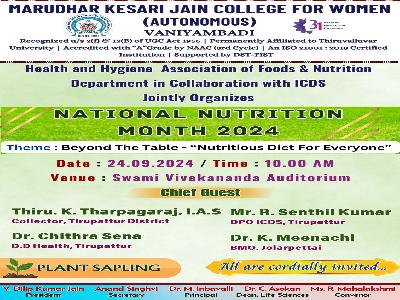
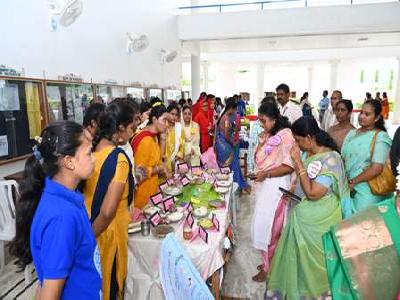
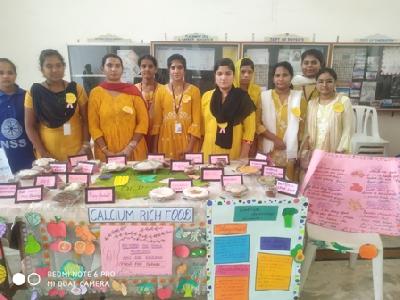
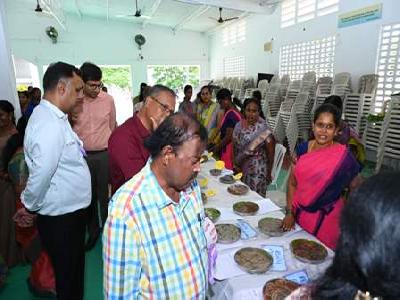
 PG & Research Department of Foods and Nutrition Organize  National Nutrition Month Celebration on Beyond The Table Nutritious Diet for Everyone - 23.09.2024 and 24.09.2024

Resource Person   

           1.Thiru.K.Tharpagaraj IAS

              Collector

              Tirupattur District

           2.Mr.R.Senthil Kumar

               DPO ICDS ,Tirupattur

            3.Dr.Chithra Sena

               D.D Health, Tirupattur

            4.Dr.K.Meenachi

                BMO, Jolarpettai

Venue: Swami Vivekananda Auditorium

   Time:  10.00 am