Tuesday, 2 December 2025

AI Tool for Clinical Diagnosis


AI Tool for Clinical Diagnosis

Clinical diagnosis is rapidly being augmented by AI-powered tools that assist in interpreting medical images, laboratory data, and patient symptoms. These tools can help clinicians identify patterns and provide decision-support. Typical features include:

  • Automated interpretation of imaging (like X-rays, CT scans)

  • Lab data analysis and flagging abnormal patterns

  • Symptom-based triaging and predictive risk modelling

  • Integration with electronic health records (EHR) for streamlined workflow

✅ Potential Benefits

  • Increased diagnostic accuracy

  • Faster decision-making and triage

  • Personalized patient care recommendations

  • Reduction of clinician workload

⚠️ Considerations & Challenges

  • Data privacy and security

  • Need for high-quality annotated datasets

  • Bias and generalizability of AI models

  • Regulatory and ethical oversight

  • Clinician acceptance and transparency (explainability)

🔍 Example Use-Case

An AI system trained on thousands of diabetic retinopathy images can screen patients and highlight those at high risk, referring them promptly for ophthalmic evaluation.

Tuesday, 4 November 2025

Clinical nutrition concept with stethoscope, meal plate, and glucose meter — realistic style

 Clinical nutrition concept with stethoscope, meal plate, and glucose meter — realistic style

 Clinical Nutrition

Clinical nutrition is the science of using food and nutrients to prevent, manage, and treat diseases.
It integrates medical assessment (stethoscope), diet therapy (meal plate), and biochemical monitoring (glucose meter).

1️⃣ Role of Clinical Nutrition in Health

  • Prevents and manages chronic diseases (diabetes, obesity, hypertension)

  • Supports recovery in acute illness (infections, surgeries)

  • Corrects nutrient deficiencies

  • Helps maintain metabolic balance

  • Reduces complications in lifestyle diseases

2️⃣ Key Components of Clinical Nutrition

a. Medical Assessment (Stethoscope)

  • Vital signs

  • Medical history

  • Disease diagnosis

  • Physical examination
    Used to understand the clinical condition of the patient.

b. Diet Assessment & Meal Planning (Meal Plate)

A balanced clinical plate includes:

  • Low-GI carbohydrates

  • Lean proteins

  • Healthy fats

  • High-fiber vegetables

  • Controlled calorie portions

  • Hydration balance

c. Biochemical & Monitoring Tools (Glucose Meter)

  • Blood glucose monitoring

  • Lipid profile

  • HbA1c

  • Renal parameters

  • Vitamin & mineral levels

This helps adjust the diet as needed.

3️⃣ Clinical Nutrition in Diabetes Management

  • Focus on low-glycemic foods

  • Controlled carbohydrate intake

  • Regular meal timing

  • Increased fiber

  • Adequate protein and healthy fats

  • Avoid refined sugars and deep-fried foods

Glucose meters help track how food impacts blood sugar.

4️⃣ Principles of a Clinical Nutrition Diet Plate

  • Portion control

  • Nutrient density over calories

  • Minimal processed food

  • Hydration maintenance

  • Medical + nutritional integration (doctor + dietitian working together)

5️⃣ Importance of Monitoring (Glucose Meter Symbolism)

  • Helps evaluate how diet affects blood sugar

  • Detects hyperglycemia/hypoglycemia

  • Assists in tailoring diet therapy

  • Ensures safety in diabetic and metabolic patients

6️⃣ Applications of Clinical Nutrition

  • Diabetes Mellitus

  • Cardiovascular diseases

  • PCOD/PCOS

  • Renal disorders

  • Liver disorders

  • Cancer care

  • Gastrointestinal diseases

  • Malnutrition management

Goals of Clinical Nutrition

  • Restore metabolic balance

  • Promote weight control

  • Optimize immune function

  • Improve quality of life

  • Prevent long-term complications

Thursday, 2 October 2025

Phenylketonuria


Definition:
A genetic disorder caused by deficiency of the enzyme Phenylalanine Hydroxylase, leading to inability to convert phenylalanine → tyrosine.

Metabolic Defect:
Phenylalanine ↑ → forms phenylpyruvate, phenylacetate, phenyllactate.

Clinical Features:

  • Intellectual disability

  • Seizures

  • Pale skin & blonde hair (↓ melanin)

  • Musty or “mousey” odor in urine

  • Eczema

  • Developmental delay

Diagnosis:

  • Guthrie test (newborn screening)

  • Elevated phenylalanine levels

Treatment:

  • Low-phenylalanine diet

  • Special formulas (Lofenalac)

  • Avoid aspartame

  • Lifelong dietary control

2️⃣ Alkaptonuria

Definition:
A rare genetic disorder due to deficiency of Homogentisate Oxidase, leading to buildup of homogentisic acid.

Metabolic Defect:
Tyrosine & phenylalanine metabolism affected → homogentisic acid accumulates.

Clinical Features:

  • Black urine on standing (oxidizes & turns dark)

  • Ochronosis (bluish-black pigmentation of cartilage, ear, sclera)

  • Early-onset arthritis (spine, knee, hip)

  • Joint stiffness

Diagnosis:

  • Homogentisic acid in urine

  • Urine turns black on exposure to air/alkali

Treatment:

  • Vitamin C (slows ochronosis)

  • Pain management

  • Protein restriction (↓ phenylalanine & tyrosine intake)

  • Joint care & physiotherapy

SHORT Differences: PKU vs Alkaptonuria

FeaturePKUAlkaptonuria
Enzyme DeficiencyPhenylalanine hydroxylaseHomogentisate oxidase
Accumulated SubstancePhenylalanine metabolitesHomogentisic acid
Key SymptomMental retardation, musty odorBlack urine, ochronosis
TreatmentLow-Phe dietVitamin C, joint care

Wednesday, 3 September 2025

Clinical Diet & PCOD Management


Polycystic Ovarian Disease (PCOD) is strongly influenced by insulin resistance, inflammation, and hormone imbalance.
Food choices play a major role in improving symptoms, weight, and menstrual regularity.

 Principles of a PCOD Diet

  1. Low Glycemic Index (Low-GI) foods

  2. High-fiber meals

  3. Healthy fats (omega-3 rich)

  4. Adequate protein in every meal

  5. Reduce processed and sugary foods

  6. Regular meal timings

  7. Hydration (2–3 L/day)

🍽 Foods Recommended (What to Eat)

1️⃣ Low-GI Carbs

  • Millets: ragi, jowar, bajra

  • Brown rice, quinoa

  • Whole wheat, oats

  • Sweet potatoes

2️⃣ High-Fiber Foods

  • Green leafy vegetables

  • Broccoli, beans, carrots, peas

  • Whole fruits (not juice)

  • Chia seeds, flax seeds

3️⃣ Lean Protein

  • Sprouts

  • Lentils, dal

  • Paneer, tofu

  • Eggs

  • Fish (salmon, sardines)

4️⃣ Healthy Fats

  • Nuts (almonds, walnuts)

  • Seeds (flax, chia, pumpkin)

  • Olive oil, groundnut oil

5️⃣ Anti-Inflammatory Foods

  • Turmeric

  • Ginger

  • Berries

  • Green tea

🚫 Foods to Avoid

  • Sugar, sweets, soft drinks

  • White rice, maida items, bakery snacks

  • Fried foods

  • Packaged snacks and fast foods

  • Excess tea/coffee

  • Artificial sweeteners

  • Red meat (frequent)

🧃 Sample One-Day PCOD Diet Plan

🌅 Early Morning

  • Warm water + 1 tsp flaxseed powder

  • 5 soaked almonds

🍳 Breakfast

  • Vegetable oats upma OR

  • 2 ragi dosas + sambar

☀ Mid-Morning

  • 1 fruit (apple/pear/guava)

🍛 Lunch

  • 1 cup brown rice or 2 chapati (whole wheat)

  • Dal + sabji + salad

  • Curd

☕ Evening Snack

  • Green tea + roasted chana / nuts

🌙 Dinner

  • Millet khichdi OR

  • Vegetable soup + paneer stir fry

Before Bed

  • Turmeric milk (low-fat)

⚖️ Lifestyle Tips for PCOD

  • 30–45 min exercise daily (walking, yoga, strength training)

  • Maintain sleep hygiene (7–8 hours)

  • Reduce stress (yoga, breathing exercises)

  • Weight reduction of even 5% improves symptoms

📌 PCOD-Friendly Supplements (if advised by doctor)

  • Vitamin D

  • Myo-inositol

  • Omega-3

  • B12 (if vegetarian or on metformin)

Friday, 1 August 2025

How to Read a Food Label – Student Guide


How to Read a Food Label – Student Guide

Understanding food labels helps you make healthier choices, control calories, and avoid excess sugar, fat, and salt. Here’s a quick and easy guide for students.

1️⃣ Check the Serving Size First

  • Always start here.

  • The values on the label (calories, fat, sugar, etc.) are based on one serving, not the whole packet.

  • Many snacks contain 2–3 servings per packet.

👉 Example: If 1 serving = 30 g but you eat 60 g, double all the numbers.

2️⃣ Look at Total Calories

  • Helps you manage weight and energy intake.

  • For students, 2000 kcal/day is average (may vary).

  • Choose snacks with <150 kcal per serving.

3️⃣ Check the Fats

  • Saturated Fat: Should be low (linked to heart disease).

  • Trans Fat: Should be 0 g (very harmful).

  • Unsaturated fats: Okay in small amounts (nuts, seeds).

👉 Tip: Choose foods with <3 g saturated fat per serving.

4️⃣ Watch Out for Added Sugars

  • Listed under “Sugars” or “Added Sugars.”

  • High sugar raises diabetes risk.

👉 Choose products with <5 g sugar per serving
👉 Avoid anything >15 g sugar (candies, bakery foods, beverages)

5️⃣ Check Sodium (Salt) Levels

Too much salt increases BP.

  • Low sodium: <140 mg

  • Moderate: 140–400 mg

  • High: >400 mg (avoid for daily use)

👉 Student tip: Instant noodles often have high sodium.

6️⃣ Look at Fiber

Fiber helps in digestion, blood sugar control, and satiety.

  • Choose foods with ≥3 g fiber per serving

  • Whole grains > refined grains

7️⃣ Check Ingredients List

  • Ingredients are listed in order of quantity

  • First 3 ingredients tell the real story

  • Avoid products where first ingredients are:

    • Sugar

    • Refined flour (maida)

    • Hydrogenated fats

    • Corn syrup

👉 Prefer items with: whole grains, nuts, oats, fruits, pulses.

8️⃣ Watch Out for Hidden Sugars

Names to avoid:

  • Maltose

  • Dextrose

  • Corn syrup

  • Fructose

  • Maltodextrin

  • Brown sugar

  • Caramel

9️⃣ Check for Claims (Don’t Be Misled!)

Terms that sound healthy but may not be:

ClaimWhat It Really Means
“Fat-Free”May have high sugar
“Sugar-Free”May have artificial sweeteners
“Multigrain”Not always whole grain
“Natural”Not regulated term
“No Added Sugar”May still have natural sugars
🔟 Choose Products with Clean Labels

A clean, healthy label usually contains:

  • Short list of ingredients

  • No artificial colors/flavors

  • No MSG

  • No hydrogenated fats

  • Lower sugar and salt

Thursday, 3 July 2025

WHO/FAO Guidelines on Nutrition

 WHO/FAO Guidelines on Nutrition

1. Healthy Diet Recommendations

Both WHO and FAO emphasize that a healthy diet should:

  • Include plenty of fruits and vegetables (≥ 400 g/day)

  • Base meals on whole grains, legumes, tubers

  • Include lean protein sources (pulses, fish, poultry, milk)

  • Limit saturated fat intake to <10% of total energy

  • Reduce free sugars to <10% of total energy (prefer <5% for extra benefit)

  • Keep salt intake <5 g/day

  • Use unsaturated fats (olive, sunflower, groundnut oils)

  • Avoid industrial trans fats

2. WHO/FAO Guidelines for Micronutrients

Iron

  • Promote dietary iron from plant & animal sources

  • Iron supplementation in high-risk groups (adolescent girls, pregnant women)

Vitamin A

  • Encourage consumption of vitamin-A–rich foods

  • Supplementation for children in high-deficiency regions

Iodine

  • Use iodized salt

  • Monitor iodine deficiency disorders regularly

Zinc

  • Encourage zinc-rich diets (whole grains, legumes, nuts)

  • Supplement in severe diarrhea cases

3. WHO/FAO Guidelines on Non-Communicable Disease (NCD) Prevention

To reduce risk of diabetes, cardiovascular diseases, and obesity:

  • Maintain a healthy BMI (18.5–24.9 kg/m²)

  • Engage in 150 minutes/week of physical activity

  • Restrict sugar-sweetened beverages

  • Avoid processed foods high in sodium

  • Choose whole grains and fibers for better glycemic control

4. Guidelines on Food Safety (Codex Alimentarius – WHO/FAO)

  • Maintain hygiene during food handling

  • Cook food thoroughly

  • Store food at safe temperatures (<5°C or >60°C)

  • Avoid cross-contamination

  • Use clean water and raw materials

These guidelines prevent foodborne infections and ensure safe food consumption.

5. WHO/FAO Guidelines on Sustainable Healthy Diets

  • Promote local and seasonal foods

  • Reduce food waste

  • Encourage plant-based diets

  • Reduce consumption of resource-intensive foods

  • Support sustainable agriculture


Tuesday, 3 June 2025

Diabetes Mellitus

Diabetes Mellitus is a chronic metabolic disorder in which the body cannot properly regulate blood glucose levels. This happens due to insufficient insulin production, reduced insulin action, or both.

There are two main types:

1. Type 1 Diabetes

  • Autoimmune destruction of pancreatic β-cells

  • Little or no insulin production

  • Common in children and young adults

  • Requires lifelong insulin therapy

2. Type 2 Diabetes

  • Most common form

  • Body becomes insulin resistant

  • Pancreas produces insulin, but cells do not respond effectively

  • Often related to obesity, sedentary lifestyle, and genetics


Common Symptoms

  • Excessive thirst (polydipsia)

  • Frequent urination (polyuria)

  • Increased hunger (polyphagia)

  • Fatigue

  • Slow wound healing

  • Blurred vision

  • Tingling or numbness in hands/feet


Complications

  • Neuropathy

  • Kidney damage

  • Eye damage (retinopathy)

  • Heart disease

  • Foot ulcers


Management

  • Balanced diet (low-GI foods)

  • Regular exercise

  • Weight management

  • Medications like metformin

  • Insulin (if required)

  • Regular blood glucose monitoring

Wednesday, 14 May 2025

FSSAI – Food Safety and Standards Authority of India

FSSAI – Food Safety and Standards Authority of India

 FSSAI

The Food Safety and Standards Authority of India (FSSAI) is the top regulatory body under the

 Ministry of  Health & Family Welfare.

Functions of FSSAI

FSSAI has several major responsibilities:

a) Framing Food Safety Standards

·         Sets science-based food safety and quality standards

·         Regulates additives, contaminants, pesticides, antibiotics, packaging materials, etc.

b) Licensing & Registration

Every food business (FBO) must obtain FSSAI license or registration depending on size and turnover.

c) Food Testing & Laboratories

·         Establishes and approves food testing laboratories

·         Conducts quality checks, sampling, surveillance, and monitoring.

d) Enforcement & Inspection

·         Ensures compliance with standards

·         State food safety officers conduct inspections

·         Issues penalties or legal actions for violation.

  e) Training & Awareness

·         Runs FoSTaC training for food handlers

·         Conducts consumer awareness programs (Eat Right India, Safe Food Healthy Diet).

f) Policy Making & Risk Assessment

·         Monitors risks in food chain

·         Regulates labeling, claims, packaging requirements.

    3. FSSAI Structure

1. Chairperson

2. Chief Executive Officer (CEO)

3. Central Advisory Committee

4. Scientific Panels & Scientific Committee

5. State Food Authorities


Thursday, 3 April 2025

Career Opportunities in Nutrition Department


Career Opportunities in Nutrition Department

The field of Nutrition and Dietetics offers diverse career options across healthcare, food industry,

research, public health, fitness, community development, education, and entrepreneurship.

These roles focus on improving health through food, preventing diseases, and developing nutritious

 food products.

1. Clinical Nutrition & Dietetics

Professionals in this area work in hospitals and clinical settings to assess, diagnose, and treat nutritional problems.

Career Roles

·         Clinical Dietitian

·         Therapeutic Dietitian

·         Renal/ICU Dietitian

·         Pediatric Dietitian

·         Oncology Dietitian

·         Sports Clinical Dietitian

·         Nutrition Support Specialist (Tube feeding, TPN)

Workplaces

·         Hospitals (govt & private)

·         Clinics

·         Nursing homes

·         Rehabilitation centers

2. Community Nutrition & Public Health**

Focus is on improving the nutritional status of populations, especially vulnerable groups.

·         Career Roles

·         Community Nutritionist

·         Public Health Nutritionist

·         Program Officer (ICDS, NHM, UNICEF, WHO)

·         Field Nutrition Coordinator

·         Nutrition Educator

·         NGO Nutrition Specialist

·         Workplaces

·         Government health programs (ICDS, Anganwadi, NHM)

·         WHO, UNICEF, FAO projects

·         NGOs & community health centres

         3. Sports & Fitness Nutrition

Nutritionists guide athletes and sports persons to enhance performance and recovery.


·         Career Role

·         Sports Nutritionist

·         Fitness Nutrition Consultant

·         Gym / Fitness Centre Diet Coach

·         Team Sports Nutrition Specialist

·         Workplaces

·         Gyms & fitness clubs

·         Sports academies

·         Athletic teams

·         Private practice

4. Food Industry & Food Technology Sector

Nutrition graduates can work in product development, quality, safety, and labeling.

·         Food Product Developer

·         Quality Control Analyst

·         Quality Assurance Officer

·         Food Safety Auditor

·         Food Technologist

·         Regulatory Affairs Specialist

·         Sensory Evaluator

·      


Monday, 10 March 2025

International Women's Day and Ethnic Day

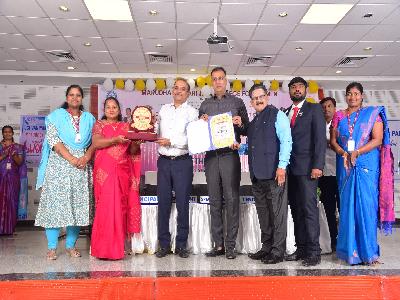
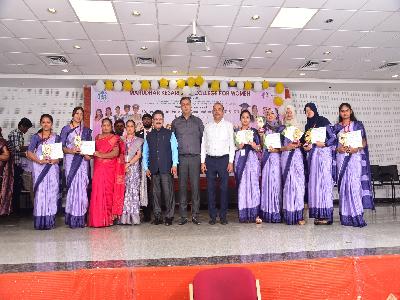
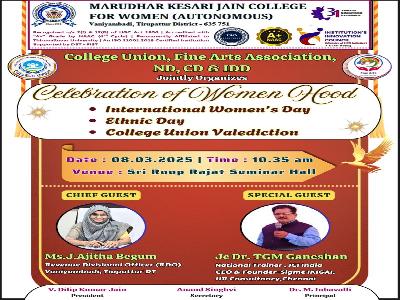
 Department of  Foods and Nutrition  Organizes International Women's Day and Ethnic Day Celebration on 08.03.2025

Chief Guest

        Ms.J.Ajitha Begum
        Revenue Divisional Officer (RDO)
       Vaniyambadi

Special Guest

       Jc Dr. TGM Ganeshan
     National Trainer, JCI India
     CEO and Founder – Sigme IKIGAI
     HR Consultancy, Chennai.


Venue: Sri Roop Rajat Seminar Hall 

Time: 10.30 am

Photo Gallery